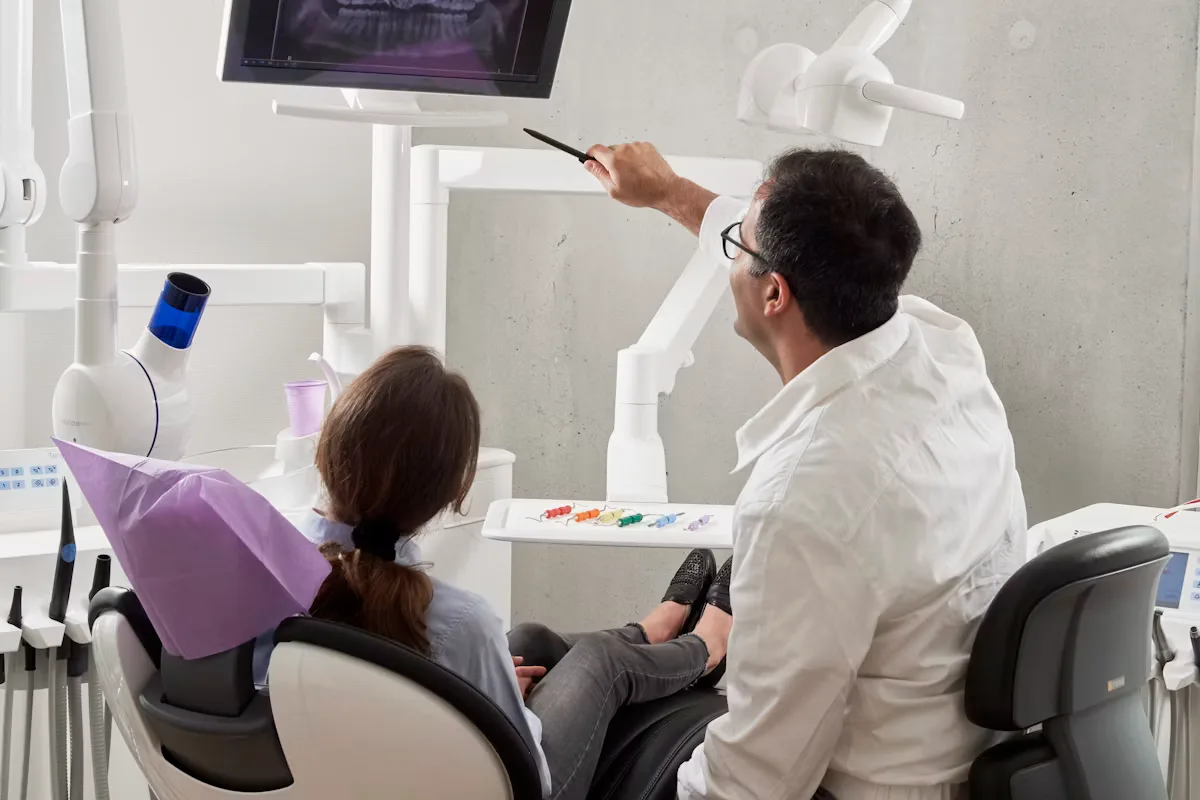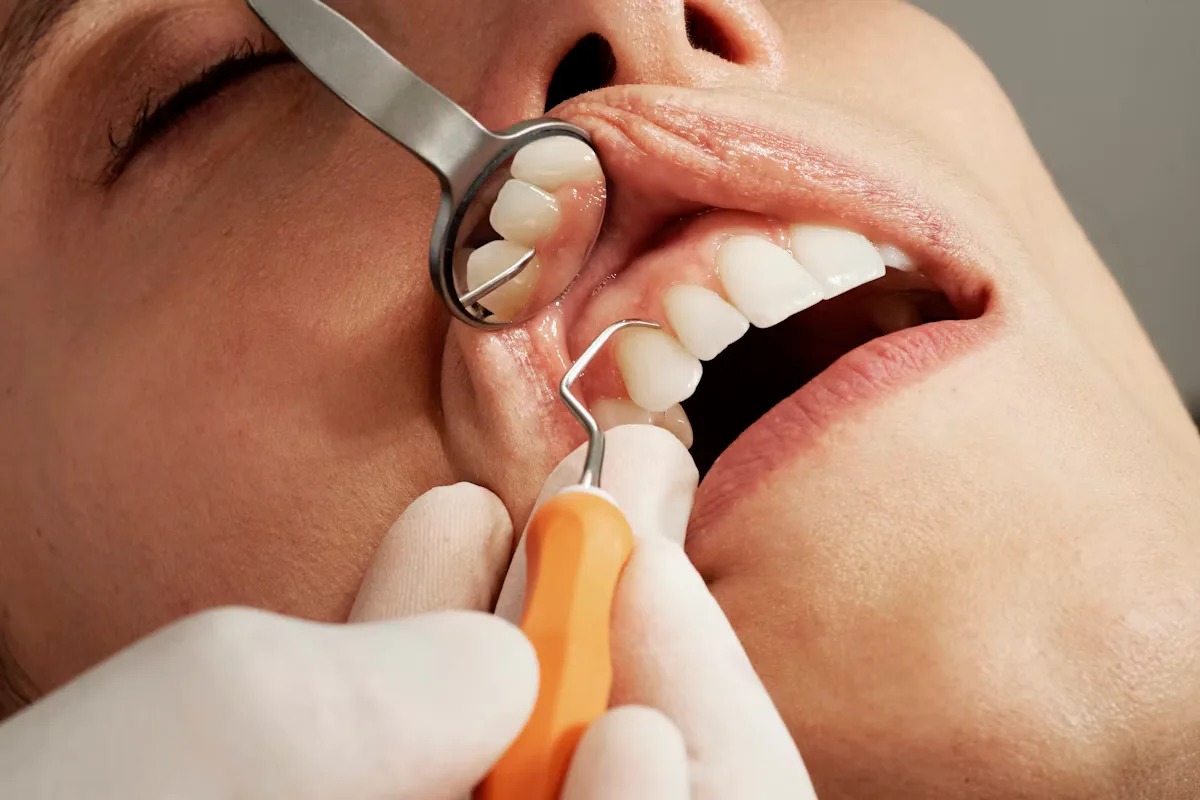
There is a particular moment in an aesthetic dental consultation when the conversation becomes useful: the patient stops asking for “perfect teeth,” and the dentist starts translating that wish into anatomy, function and choices. With porcelain and composite veneers, that translation matters more than any before-and-after photograph. The real work is choosing by biology, repairability and expectations instead of marketing labels. A polished result can still be a poor result if it demanded unnecessary tooth reduction, ignored the bite or left the patient unable to maintain it.
Medellín attracts local patients, Colombians living abroad and international visitors who appreciate skilled dentistry and a welcoming city. That mix creates opportunity, but also pressure to finish quickly. Good care resists the pressure to treat before diagnosing. This guide explains what deserves attention, which tradeoffs are real, how to read a proposal and how to plan the trip without turning healthcare into a rushed purchase.
What the treatment actually means
The label porcelain and composite veneers does not describe one fixed package. In a responsible clinic, it begins with the problem to solve and may involve observation, whitening, bonding, gum treatment, orthodontics, veneers or a thoughtful combination. Two people asking for the same visual change may need very different care because enamel thickness, tooth position, old restorations and bite forces are different.
The useful diagnostic frame includes surface gloss, stain resistance, edge strength, maintenance and the amount of enamel available. Those elements are not decorative extras. They determine whether a change can be additive, whether an edge will be overloaded and whether a bright new surface will harmonize with the face. Ask the clinician to separate the diagnosis from the proposed product. You should understand what is healthy now, what is causing the concern and what happens if you choose no treatment.
A natural result starts with restraint
Natural-looking dentistry is not simply dentistry made in a softer shade. It respects small variations in texture, translucency and tooth width; it also respects the amount of tooth visible when the face is relaxed. Teeth that look elegant in a close-up can appear too long, too opaque or too dominant in conversation.
Restraint is also biological. Bonding to enamel is generally more predictable than bonding mainly to dentin, so preserving enamel has long-term value. Sometimes the most sophisticated decision is whitening first, aligning one rotated tooth, repairing two edges or accepting a harmless asymmetry. “More treatment” is not the same as “better design.” A clinician should be able to explain the least invasive route as clearly as the comprehensive one.
The records worth taking
A serious first visit is more than choosing a shade. Expect a health history, clinical examination, periodontal assessment and bite evaluation. Photographs at rest and in a full smile help reveal proportions that a mirror can hide. Scans or impressions record the teeth; radiographs are used when clinically indicated, not merely to make a package look complete.
For visitors, send recent records before booking flights, but remember that remote screening is provisional. Images cannot confirm decay under an old restoration, gum stability or how the jaw moves. The in-person examination can change the number of teeth, material or sequence. Build enough flexibility into the itinerary and budget to allow the diagnosis to lead.
Mock-ups and previews: useful, not magical
A digital simulation communicates direction, but pixels do not reproduce enamel thickness, speech or the feeling of a new edge against the lip. A physical mock-up, when suitable, places a trial shape over the teeth so the patient and dentist can evaluate length, volume and expression. Read our deeper guide to the smile design mock-up before consenting to preparation.
Treat a preview as a conversation tool rather than a guarantee. Ask to see the face in motion, pronounce words with “f,” “v” and “s,” and photograph the result from conversational distance. Useful feedback is specific: “these two teeth feel long when I speak” is more actionable than “I do not recognize myself.”
Materials and methods are not teams to join
Patients are often encouraged to declare loyalty to ceramic, composite or a fashionable brand. Materials are tools. Composite can be conservative, repairable and completed efficiently, but it can stain or lose polish and is technique-sensitive. Ceramic can offer stable gloss, refined optics and good longevity, but usually involves laboratory steps, higher cost and repairs that are less straightforward.
The honest comparison is case-specific. Evaluate how much enamel remains, whether tooth position creates bulky additions, the patient’s grinding pattern, acceptable maintenance and the operator’s experience. Our porcelain versus composite veneer guide sets out these tradeoffs without pretending one material wins every case.
Bite, gums and the details photographs miss
Aesthetic dentistry lives in a working mouth. Front teeth guide jaw movement; back teeth support the bite; gums frame every restoration. Bleeding, unstable gum levels, untreated decay or active grinding should be addressed before definitive aesthetic work. Otherwise even beautiful restorations begin their life in a compromised environment.
Pay attention to edge-to-edge contact, deep bite and nighttime clenching. A protective appliance may be recommended, but a guard cannot rescue a fundamentally overloaded design. Gum contouring also deserves caution: removing tissue can expose roots or violate biological dimensions if bone and tissue thickness are ignored. Request the reason, expected healing time and alternatives for every supporting procedure.
How to read prices in Medellín
A useful budget is a range, not a teaser price. For this topic, a realistic reference is COP 700,000–1,500,000 per composite veneer and COP 1,800,000–3,500,000 per porcelain veneer. Exchange rates, complexity, clinician experience and laboratory choices move the total. A low figure may exclude diagnostics, temporaries, bite guards, gum care or follow-up; a high figure is not proof of excellent planning.
Request a written proposal that identifies the material, number of teeth, included records, provisional stage, review visits and policy for adjustments. Compare like with like. A ten-unit quote and a six-unit quote may represent different clinical philosophies, not merely different prices. See our detailed guide to veneer costs in Colombia when building a fuller budget.
A realistic timeline for dental travelers
Do not organize irreversible care between a late arrival and an early flight. Jet lag, dehydration and a tight calendar make thoughtful decisions harder. Depending on the plan, records and health work may occur first, followed by design, preparation or bonding, laboratory time and a review. Ceramic cases commonly require more than one clinical stage; composite work can also merit a separate polish and bite review.
Leave buffer days after delivery. The mouth needs time to reveal a high contact, speech issue or area that is difficult to floss. If treatment must span two trips, ask what will be worn between visits and who will respond if a provisional breaks. Tourism fits around healthcare, not the other way around.
Questions that improve the consultation
Bring a short list and take notes. Productive questions include:
- What diagnosis explains my concern?
- Which option preserves the most healthy enamel?
- What would you recommend if appearance were not the only priority?
- Can I test the planned shape before any preparation?
- What maintenance and repairs are likely?
- Who performs each stage, including design, preparation and bonding?
- What is excluded from the written range?
- How are unexpected findings handled after treatment begins?
A confident clinician should welcome these questions. For a consultation focused on restorations, use our complete veneer question checklist as a companion.
Red flags in aesthetic dentistry
Be cautious when a remote salesperson promises an exact plan from selfies, when every patient receives the same number of restorations or when a dramatic discount expires that day. Other warning signs include refusing to discuss alternatives, presenting aggressive preparation as routine, avoiding gum and bite evaluation, or guaranteeing that restorations will last forever.
The safest aesthetic plan is not the one with the most impressive render. It is the one whose compromises are visible before treatment begins.
Also question language that reduces teeth to a commodity: “full set,” “instant celebrity smile” or “maintenance-free.” Dentistry can be efficient and warm without being casual about irreversible decisions.
Maintenance begins before treatment
Ask what daily care the final surfaces require and whether you can realistically provide it. Excellent brushing, interdental cleaning and periodontal reviews protect both natural teeth and restorations. Coffee, tea, tobacco and strongly pigmented foods affect materials differently. Grinding, nail biting and using teeth to open packaging create avoidable loads.
Maintenance is not evidence that treatment failed. Composite may need professional repolishing or a small repair. Ceramic margins still require hygiene, and natural teeth around any restoration remain vulnerable to decay and gum disease. Read more about how long veneers last and include future care in the decision, not only the opening price.
When another treatment should come first
If teeth are crowded, rotated or significantly tipped, adding material may create excessive width while reducing them may sacrifice healthy structure. Limited orthodontics can sometimes place teeth where conservative restorations become possible. Whitening may reduce the number of surfaces that need coverage. Treating gum inflammation can change the apparent proportions without cosmetic cutting.
This sequencing requires patience but often produces a calmer result. Our analysis of orthodontics before veneers explains when movement earns its time and cost. The aim is not to collect procedures. It is to solve each part of the problem with the least damaging tool.
Making a decision you can live with
Before saying yes, you should be able to describe the plan in your own words: the concern, alternatives, irreversible steps, likely maintenance, financial range and response if reality differs from the preview. Take the proposal away if you need time. A sound plan remains sound after a night’s sleep.
For international patients, identify who will provide routine care at home and how records will be shared. For local patients, choose continuity over a one-day promotion. In both cases, consent is not a signature at reception; it is an informed decision made without pressure.
The Medellín perspective
Medellín’s dental community includes talented clinicians, modern laboratories and teams accustomed to receiving travelers. The city can offer strong value, but value comes from clinical judgment, communication and follow-through—not geography alone. Neighborhood, décor and social-media reach say little about enamel preservation or bonding protocol.
Use your consultation to observe how the team listens. Do they examine before selling? Do they explain uncertainty? Do they show cases similar in starting condition, not only similar in desired color? Those signals reveal more than follower counts. A result should still feel like your smile, simply healthier, more coherent and easier to enjoy.
Continue reading
- smile design in Medellín
- porcelain and composite veneers
- veneer prices in Colombia
- professional whitening
A measured next step
The best next step for porcelain and composite veneers is a diagnostic consultation, not a package reservation. Gather your dental history, describe what bothers you in ordinary language and ask to see conservative alternatives beside the comprehensive proposal. If the plan clearly supports choosing by biology, repairability and expectations instead of marketing labels, you are in a stronger position to decide.
This article is educational and cannot replace an examination. Individual suitability, healing and treatment sequence must be assessed by a licensed dental professional.